




How to Choose the Perfect Insulin Pump Belt or Waist Pack: A Complete Guide
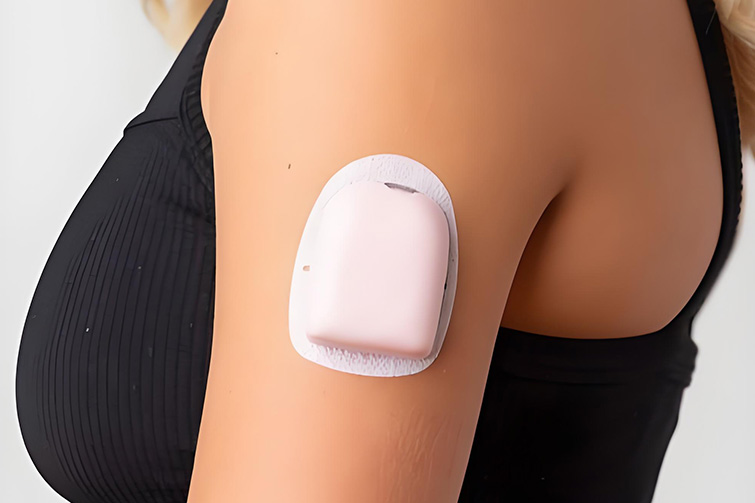
For people using an insulin pump (such as Omnipod, Medtronic, Tandem, or others), where and how you carry the device matters greatly. While tubeless pumps like Omnipod stick directly to the skin, many traditional pumps require a separate pump case, belt, or waist pack. The right carrying solution keeps your pump secure, comfortable, and discreet — but with so many options available, how do you choose? This guide breaks down everything you need to know about selecting the ideal insulin pump belt or waist pack.
Why a dedicated insulin pump belt matters
An insulin pump is a life-sustaining device, not just a gadget. Dropping it, snagging its tubing, or having it fall out of a loose pocket can lead to interrupted insulin delivery, potential injury, or even dangerous blood sugar swings. A generic sports belt or fashion fanny pack may work, but dedicated pump belts are designed with specific features: secure pump pockets, tubing management, breathable materials, and easy access to buttons or screens. Investing in a good pump belt gives you freedom to move, sleep, exercise, and dress without worrying about your pump.
Key factors to consider when choosing an insulin pump belt
1. Pump compatibility and size
Not all insulin pumps are the same size. A Tandem t:slim X2 is thin and rectangular, while a Medtronic 780G is slightly thicker. Omnipod users don’t need a belt for the pod itself (since it’s tubeless), but many carry a backup PDM (controller) or smartphone in a small waist pack. Before buying, check the interior dimensions of the belt’s pocket. The pocket should fit your pump snugly but not too tightly — you need to be able to insert and remove it easily, especially when changing batteries or refilling insulin. Some belts have adjustable Velcro closures or elastic openings, while others have zippered compartments.
2. Comfort and material
Since you may wear your pump belt 24/7 (including during sleep), comfort is critical. Look for:
- Breathable, moisture-wicking fabric – Neoprene, spandex, or mesh blends work well. Avoid thick, non-breathable nylon that traps sweat and causes skin irritation.
- Soft, tagless edges – Chafing is a real problem, especially around the waist or hips. Some belts have seamless or rolled edges.
- Lightweight design – A heavy or bulky belt will feel annoying after a few hours.
- Stretchability – A little elasticity allows the belt to move with your body during bending, running, or sitting.
3. Tubing management (for traditional pumps)
If you use a pump with tubing (e.g., Tandem, Medtronic, Ypsomed), tubing snagging is one of the biggest frustrations. A good pump belt should have:
- Internal tubing channels or grommets – Some belts have a small opening inside the pocket that lets you route the tubing from the pump to your infusion site without having a long loop hanging out.
- Secure exit points – Look for belts where the tubing exits through a reinforced slit, not a wide open gap. This prevents the tubing from being pulled out accidentally.
- Low-profile design – The belt should keep the tubing close to your body, so it doesn’t catch on door handles, chair arms, or seatbelts.
4. Security and retention
Your pump belt should never accidentally let go of your pump. Check:
- Closure type – Velcro flaps are common and convenient, but make sure the Velcro is strong (hook-and-loop) and not prone to picking up lint. Some users prefer a small zipper or snap button for extra security.
- Flap coverage – The pocket should cover at least 2/3 of the pump’s height so it can’t slip out when you bend over.
- Secondary retention – High-quality belts often have an elastic strap or a second flap that wraps over the pump.
5. Waistband style and adjustability
Insulin pump belts come in several wearing styles:
- Elastic one-size-fits-most band – Simple, stretchy, and worn around the waist or over clothing. Good for everyday use. Look for a wide band (at least 1.5 inches) to prevent digging into your skin.
- Clip-on belt – A small pump case that attaches to your pants or skirt waistband. Convenient, but less secure during vigorous activity.
- Full-wrap pack (fanny pack style) – Adjustable strap with a buckle. Ideal for exercise or when wearing athletic clothes without belt loops. Some have multiple pockets for a phone, glucose tablets, or keys.
- Under-clothing / thigh band – For dresses or formal wear, some people prefer a leg band that holds the pump on the thigh. These are less common but very useful for women.
Ensure the belt has a fully adjustable strap (not just “one size fits most” if you have a very small or large waist). Quick-release buckles are helpful for removing the belt without taking off your pants.
6. Activity level: sleeping, exercising, swimming
- For sleeping – Choose a very soft, low-profile belt with no hard buckles. Some sleep-specific belts are just a wide elastic band with a simple pouch. Wear it under a loose T-shirt.
- For exercising – Sweat resistance is key. Look for neoprene or waterproof nylon. A tight, non-bouncing fit is important. Some belts have an extra safety tether that clips to your pump.
- For swimming – Many pumps are not waterproof, so you’ll need a waterproof case that fits inside a belt, or a dedicated swimming belt that seals out water. The Omnipod is waterproof, but its PDM is not — so a small waterproof waist pack can hold the controller.
7. Discreetness and fashion
Not everyone wants to show off their medical device. If you prefer hidden wear, look for:
- Thin, flesh-tone or black fabric – Neutral colors blend under clothing.
- Low-bulk design – The pump pocket should not bulge obviously.
- Under-belt placement – Some belts are designed to be worn with the pump facing your body, so only the band shows.
On the other hand, many people (especially kids and teens) love fun colors, animal prints, or camouflage patterns. There’s no wrong choice — it’s about what makes you feel confident.
8. Cleaning and durability
Your pump belt will be exposed to sweat, body oils, and daily wear. Machine-washable belts (in a lingerie bag) are a huge plus. Check reviews for durability: does the Velcro wear out after a few months? Do the seams unravel? A good pump belt should last at least 6–12 months with regular use.
9. Price and brand recommendations
Prices range from $10 (basic elastic pouch on Amazon) to $40+ (specialty brands like Hid-In, Type 1 Tactical, or EDC Diabetes Solutions). Some user-favorite brands include:
- Hid-In – Known for soft, breathable, and very discreet belts.
- Type 1 Tactical – Rugged, durable belts for active users.
- Sugar Medical – Offers stylish patterns and good tubing management.
- FlipBelt – Not diabetes-specific, but its stretchy pocket design works well for pumps.
Read recent reviews — designs change quickly. Many users buy 2–3 belts so they have a clean one while washing another.
10. Trial and adjustment period
Finally, understand that the perfect belt often requires trial and error. What works for sleeping may not work for running. What fits a Medtronic pump may be loose for a Tandem. Many online retailers (including Amazon) offer free returns. If possible, buy one belt first, test it for a few days (including sleeping one night and going for a walk), then decide if you need a different style.
Conclusion
Choosing an insulin pump belt or waist pack is a personal decision that balances security, comfort, activity needs, and style. Start by identifying your pump model, your most common activities (desk job? marathon runner? sleeping on your side?), and your clothing preferences. Then look for a belt with proper sizing, good tubing management (if needed), breathable fabric, and secure retention. Don’t settle for a generic fanny pack that leaves your pump bouncing around — your insulin pump is too important for that. With the right belt, you can almost forget you’re wearing a medical device, and simply live your life.