




How to Choose a Protective Case for Your Insulin Pump: A Complete Guide
Your insulin pump is a sophisticated medical device that delivers life-sustaining insulin 24/7. It’s also a significant financial investment — often costing thousands of dollars. Despite its importance, the pump is exposed to daily risks: drops, bumps, moisture, dust, and even accidental button presses. A good protective case is not an accessory; it’s essential gear. But with so many options on the market — from slim silicone skins to rugged, military-grade holsters — how do you choose the right one? This guide walks you through every factor to consider.
Why you need a dedicated pump case
Unlike a phone case, an insulin pump case must do more than just prevent scratches. It must:
- Protect against impact – A drop onto a tile floor can crack the screen or damage internal components.
- Provide tubing management – For tubed pumps (Medtronic, Tandem, Ypsomed), loose tubing can snag on door handles or get pulled out of the infusion site.
- Allow easy access – You need to see the screen, press buttons, and change batteries or cartridges without removing the case.
- Stay securely attached – The case should clip to your belt, waistband, or pocket reliably.
- Withstand sweat and spills – Moisture resistance is a big plus.
A poorly chosen case can lead to lost pumps, interrupted insulin delivery, or constant frustration. Let’s break down the selection process.
1. Pump compatibility: exact fit matters
Insulin pumps come in different shapes and sizes. A case designed for a Tandem t:slim X2 will not fit a Medtronic 780G or an Omnipod controller (PDM). Always buy a case specifically made for your pump model. Many manufacturers (Tandem, Medtronic) sell official cases, but third-party brands often offer better protection or features. Check the product description carefully: “Fits t:slim X2” is good; “fits most pumps” is a red flag.
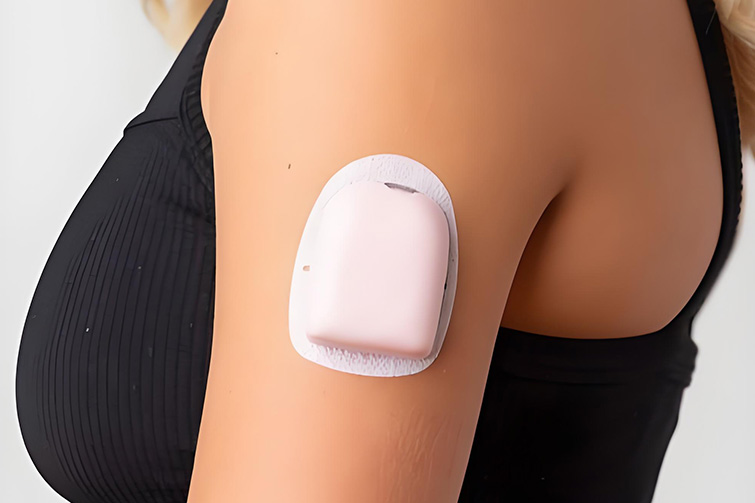
For Omnipod users (tubeless), the pod itself is worn directly on the skin and doesn’t need a case. However, the Omnipod 5 PDM (controller) or a smartphone running the app does need protection. Many cases are available for the PDM or for compatible phones.
2. Level of protection: slim vs. rugged
Think about your daily environment.
- Slim / minimalist cases – Made of thin silicone or TPU (thermoplastic polyurethane). They add almost no bulk, improve grip, and protect against scratches and minor drops. Ideal for desk workers or people who keep their pump clipped to a belt under clothing. However, they offer little protection against a hard fall onto concrete.
- Rugged / heavy-duty cases – These have a hard polycarbonate shell over a soft inner layer (similar to OtterBox for phones). They often include raised edges around the screen, reinforced corners, and a secure clip. Perfect for children, active adults, construction workers, or anyone who frequently drops things. The trade-off is extra bulk and weight.
- Bumper cases – A middle ground: hard plastic frame around the edges with a soft back. Good drop protection without being huge.
3. Screen and button protection
Your pump’s screen is vulnerable. Look for:
- Raised bezel – The case edges should sit higher than the screen so that when you place the pump face down, the glass never touches the surface.
- Screen protector compatibility – Some cases work well with a separate glass or plastic screen protector. Others have a built-in clear membrane over the screen (though these can reduce touch sensitivity on newer pumps like the t:slim X2 with touchscreen).
- Button covers – Many cases have molded silicone covers over the buttons. This keeps out dust and sweat but should not make buttons hard to press. Try before buying if possible.
4. Tubing management (for tubed pumps)
If you use a traditional pump with a tube connecting to an infusion set, tubing management is critical. A good case should have:
- A secure channel or clip – Some cases have a small slot or hook on the side where you can loop the tubing to take up slack. This prevents the tube from hanging loose where it can snag.
- Low-profile exit – The tubing should exit the case from a reinforced opening, not a wide gap that lets the pump slip out.
- Optional: integrated tube wrap – A few cases include a built-in spool or wrap system to store excess tubing. This is especially useful for people who use longer tubing lengths.
Without proper tubing management, you risk accidentally ripping out your infusion set — painful and dangerous.
5. Carrying method: clip, holster, or sleeve
How you carry your pump matters as much as the case itself.
- Belt clip – The most common option. Look for a metal spring clip rather than plastic; plastic clips break within months. The clip should be removable or rotatable (so you can wear the pump horizontally or vertically). Some clips are designed to slide over a waistband without a belt.
- Holster-style case – A vertical pouch with a belt loop or clip. The pump slides in and out. Holsters offer full coverage but can be slower to access. Good for active users.
- Armband / leg band – For exercise or formal wear (dresses without belts). Some cases convert from belt clip to armband with a strap attachment.
- Neck lanyard – Rare but useful for sleeping or if you have limited hand dexterity.
6. Material and durability
- Silicone / TPU – Soft, grippy, shock-absorbing. But silicone attracts lint and can stretch over time. TPU is more durable.
- Polycarbonate (hard plastic) – Rigid, impact-resistant, scratch-resistant. Often combined with a silicone inner layer.
- Leather (genuine or synthetic) – Looks professional but offers minimal drop protection and can absorb sweat.
- Nylon / Cordura – Used in holsters and pouches. Very durable and often machine-washable.
Avoid cases made from brittle plastic or very thin silicone — they crack or tear easily.
7. Moisture and sweat resistance
Your pump is likely not fully waterproof (check your model’s IP rating). A case won’t make it waterproof, but it can protect against splashes, rain, and sweat. Look for:
- Closed button covers – Keep sweat out of the button gaps.
- Tight fit around edges – No large gaps where moisture can seep in.
- Water-resistant coating – Some rugged cases have a hydrophobic finish.
If you swim or shower with your pump, you need a dedicated waterproof case or a system that allows disconnection. Do not rely on a standard case.
8. Ease of cleaning
Insulin pumps get dirty. Skin oils, sweat, food crumbs, and insulin residue build up. Choose a case that is easy to remove and clean. Silicone cases can be washed with soap and water. Hard cases can be wiped with an alcohol wipe. Avoid cases with fabric linings that absorb moisture and become unhygienic.
9. Compatibility with skin adhesives / overpatches
Some users like to secure their pump case directly to their skin or clothing using double-sided adhesive patches. If that’s you, make sure the back of the case is flat and smooth (no sharp edges or bulky clip mounts).
10. Brand recommendations and pricing
- Type 1 Tactical – Highly rugged, made in the USA, metal clips. Excellent for active users. ($40–60)
- Tandem official cases – Slim, good fit, but plastic clips break easily. ($25)
- Medtronic official cases – Functional but basic. ($20)
- EDC Diabetes Solutions – Customizable, strong clips, good tubing management. ($35–50)
- Sugar Medical – Stylish patterns, good protection, holster-style. ($30)
- Amazon generic brands – Very cheap ($10–15), but read recent reviews — quality varies wildly.
11. Try before committing
If possible, buy one case and test it for a week. Check:
- Does the clip stay attached to your pants when you sit or bend?
- Can you easily press buttons and read the screen?
- Does the case add too much bulk to fit in your pocket?
- Does the tubing exit point actually prevent snags?
Many online retailers offer free returns. Take advantage of that to try two different styles (e.g., a slim silicone case vs. a rugged holster).
Conclusion
Choosing the right protective case for your insulin pump is a balance between protection, convenience, and your lifestyle. A sedentary office worker may be perfectly happy with a slim silicone skin and a simple clip. A construction worker, a parent chasing toddlers, or a teenager in gym class needs a rugged case with a metal clip and excellent drop protection. Do not underestimate the value of proper tubing management — it can save you from painful infusion set pulls. Finally, remember that a case is a wearable item. It will wear out. Replace it when the clip loosens, the silicone tears, or the button covers become stiff. Your pump keeps you alive; a good case keeps your pump alive.